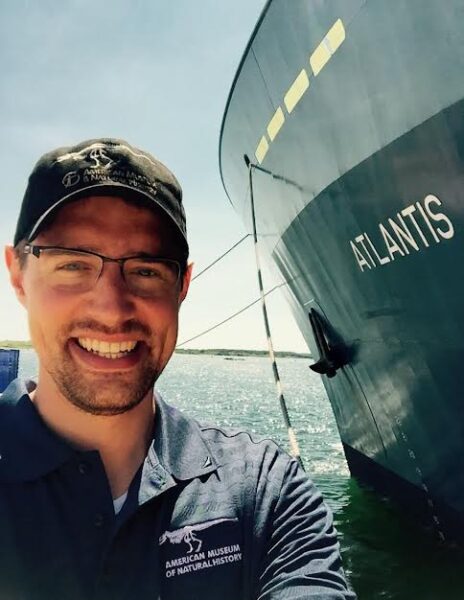


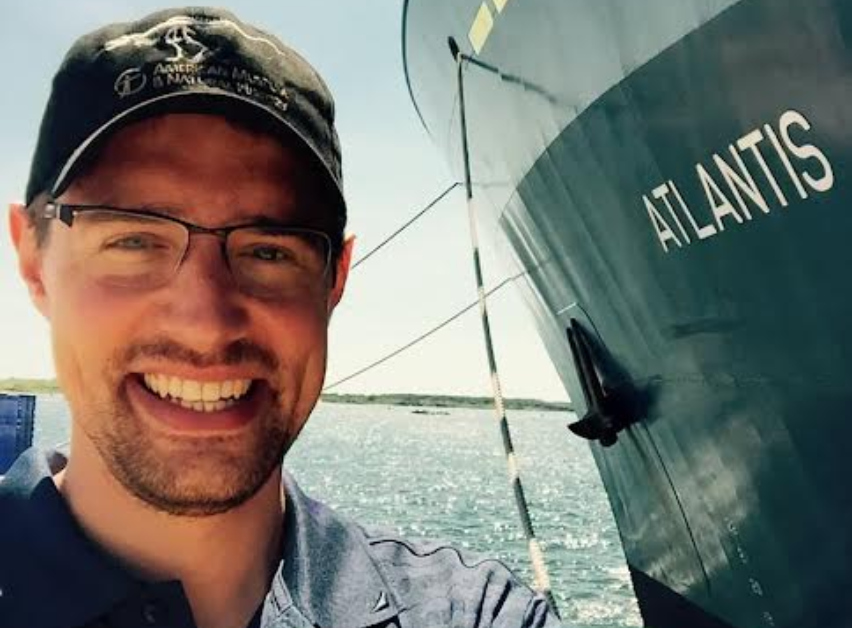
From the depths of the ocean to USCB. A newly discovered species of deep-sea black coral has been named for Dr. Mercer R. Brugler, Chair of USCB’s Department of Natural Sciences and Professor of Marine Biology.
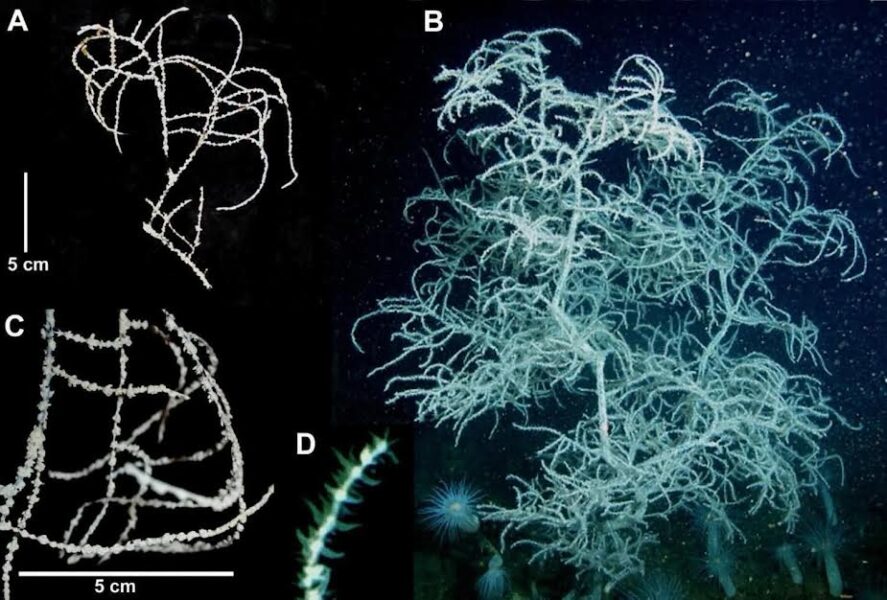
“Leiopathes brugleri,” described by scientists from the Smithsonian Institution’s National Museum of Natural History and international collaborators, inhabits deep waters from Texas to Florida and the Azores.
The impressive tree-like corals can grow more than 2 meters tall and wide and may live for more than 4,265 years. These corals provide habitat for diverse marine life and are important indicators of ocean health.
The discovery was published in the journal “Coral Reefs” on June 15, 2026.
Dr. Brugler has dedicated more than two decades to studying the evolution and conservation of black corals, and this recognition celebrates his lasting contributions to marine science.
Also of note is some other promising information concerning the Earth’s coral reefs.
Breakthroughs in coral reef research published in mid-2026 reveal that approximately one-third of the world’s reefs are climate resilient. Scientists identified these vital refugia and are actively working on innovative, hybrid restoration projects to protect marine ecosystems.
Recent marine studies and field developments include:
Climate-Resilient Refugia Identified: A major study published in Frontiers in Marine Science identified over 64,000 square miles of climate-resilient coral reefs across 71 countries. These areas, located mostly in Australia, the Bahamas, Cuba, Indonesia, and the Philippines, are sustained by cooler currents and favorable conditions that help corals withstand extreme warming.
Bioactive Potential Discovered: Researchers at UC Santa Barbara published findings that reef-building coral microbiomes harbor a treasure trove of bioactive compounds, rivaling or exceeding that of sponges. This underscores the importance of conserving coral biodiversity for future medical discoveries.
Light Pollution Impacts: Research published in late June highlights that artificial nighttime light—common near developed coastlines—negatively alters the behavior and physiology of reef fish, which can cause severe ripple effects across marine ecosystems.