

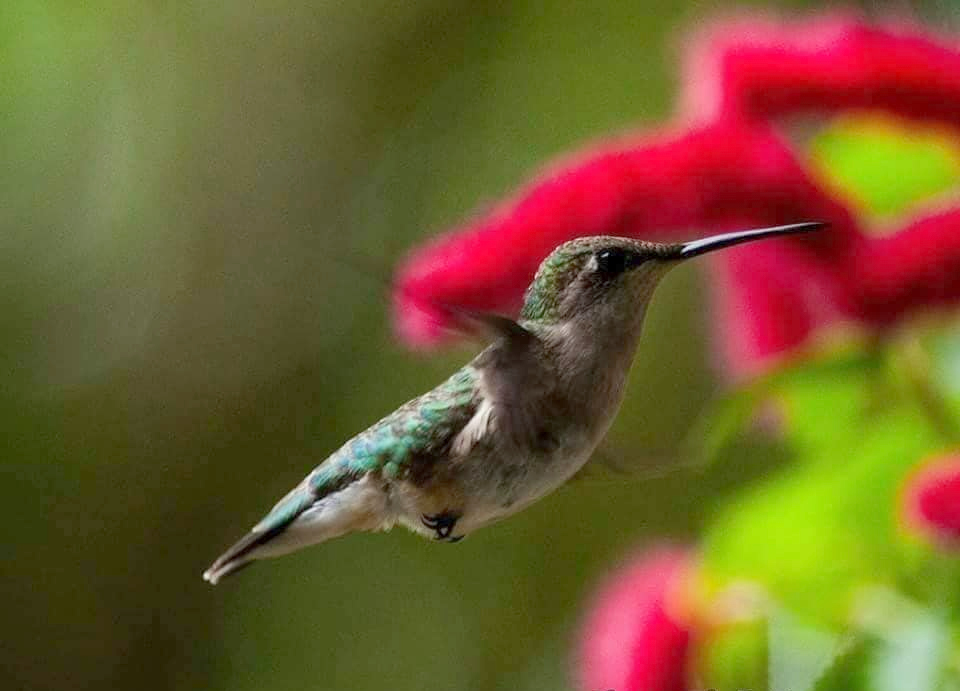
If you’re noticing more hummingbirds in the Lowcountry now, there’s a reason. The tiny birds are starting to head South on their early fall migration to escape the coming cold winter in North America, and these little guys have a very long way to go.
Numerous species of hummingbirds fly through the Southeast on their annual migrations, and all those flying by stop along the route seeking food and resting places on their long journeys. August is when it all starts, and then September is the peak month for southward-migrating hummingbirds in South Carolina.
According to website wildbirdscoop.com, hummingbirds begin heading South in August, passing through South Carolina as they return to Mexico, Central and South America. The annual migration ends by mid-October.
Thus, it’s not surprising that the South Carolina Department of Natural Resources recommends that South Carolinians keep their hummingbird feeders full from August through the fall.
SCDNR says that filled feeders help the hungry travelers replenish their fuel reserves on the long flight. And contrary to some beliefs, making it easy for the tiny birds to find food does not disrupt their migration or cause them to stay in the state year round.
During the fall migration, ruby-throated hummingbirds are the most frequently spotted hummingbirds in the Palmetto State. That’s because this species migrates northward in the spring to the Mid-Atlantic states to breed and nest along the coast. Then, they reverse their migration path and head back South, taking the entire fall season to reach their winter destinations.
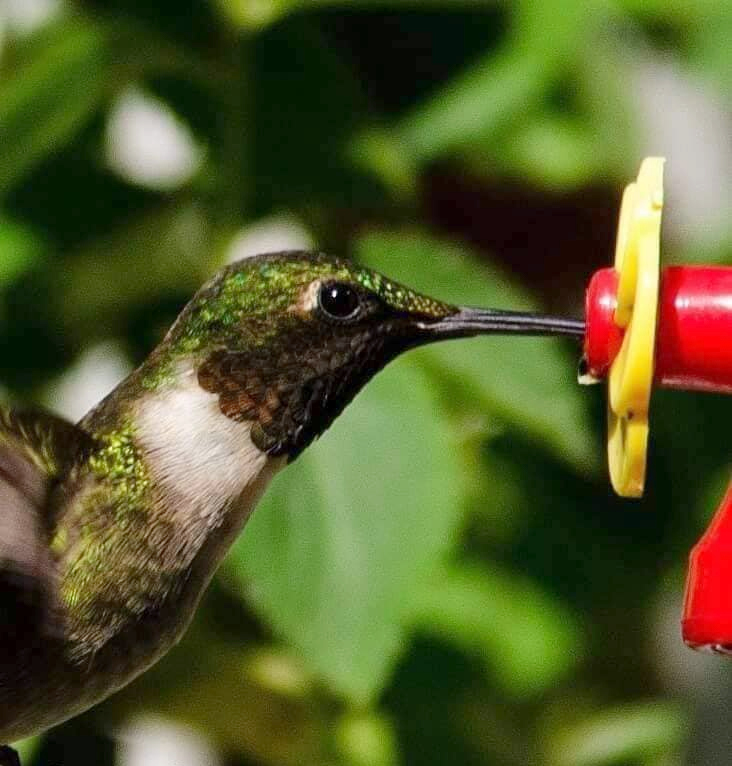
Don’t expect to see large flocks of the tiny birds overhead or hanging around your feeders.
Hummingbirds are notorious loners, and they make the long trip solo.
A hummingbird can fly around 30 mph and take over 50 hours to reach the Mexican border from South Carolina in a direct flight.
But, because they have about two months to reach their destinations, individuals may sometimes travel for just one hour per day.
When October comes and the migration is complete, don’t put away all of your hummingbird feeders. SCDNR recommends having a year-round feeder available. Doing so may increase your chances of seeing different species of hummingbirds that are visiting your yard at an increasing rate during winter months.
 Most of the hummingbirds seen in the Lowcountry during the winter months are western visitors. Wintering hummingbirds begin arriving as early as August; however, they appear at feeders anytime throughout fall and winter. In winter, the hummingbird with the longest migration route and North America’s smallest hummingbird are among the hummingbirds that migrate here.
In fact, while the highest number of hummingbird sightings occurs from March through October, you’re more likely to see a variety of different hummingbird species during the winter.
Beyond the warm-weather ruby-throated hummingbird species, 10 additional species of rarer hummingbirds are most often spotted in the Lowcountry during the colder months.
Those winter species include black-chinned, rufous, calliope, magnificent, Allen’s, Anna’s, broad-billed, green violet-ear, green-breasted mango and broad-tailed hummingbirds.