


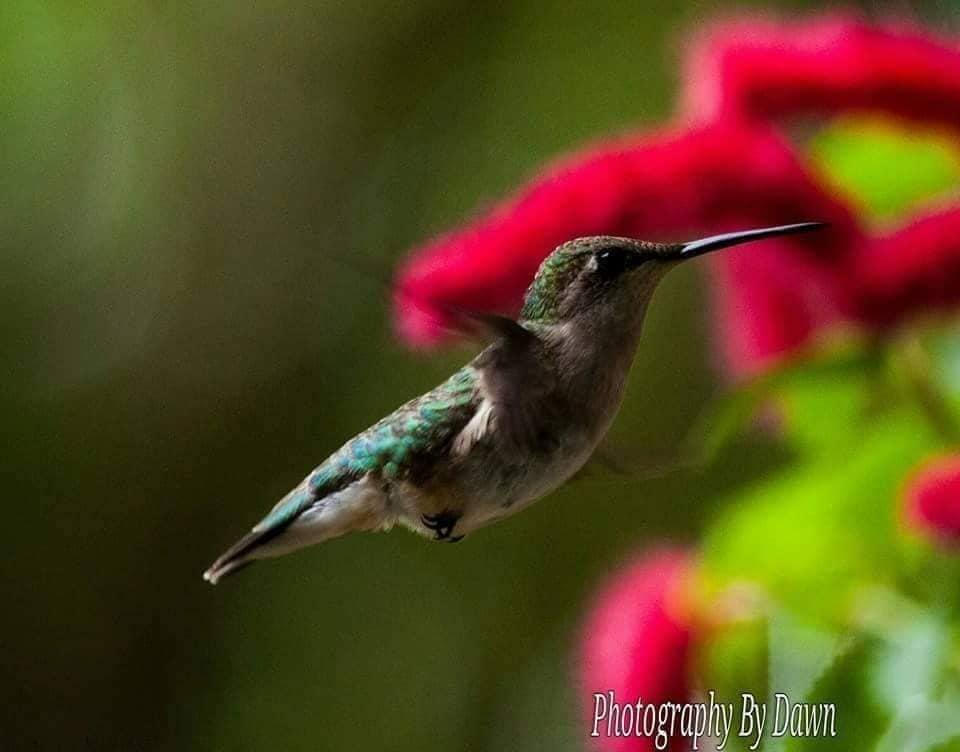
We’re feeling the warmth of spring in Beaufort, SC, and eagle-eyed nature enthusiasts are starting to catch glimpses of the speedy hummingbirds as they head north through the Lowcountry for the season.
Based on past patterns, hummingbirds usually make their way to most of South Carolina between mid-March and end of the month. However, the more northern areas of the Palmetto State may not see them until early-mid April.
Ruby-throated hummingbirds are the most abundant hummingbird we see here, with males arriving first to establish breeding territories. While some may appear earlier in coastal areas, most sightings increase as the early leg of spring goes on.
According to SCDNR, hummingbird feeders should always be cleaned and ready by March 15th to attract the first returning birds. (better check yours!) Keep feeders clean and full, and place them in the same spot annually to help them find you.
Thousands of South Carolina residents enrich their spring and summer seasons by feeding hummingbirds. Male ruby-throated hummingbirds, which feature the characteristic metallic blood-red throat bib, began showing in South Carolina in late March, with their white-throated mates arriving from the tropics about a week later.
Most hummingbird activity around feeders, however, does not really pick up until midsummer. Do not despair if you had hummers at your feeder early during the migration period and now there are none. Some of those birds continued flying north and others stayed here but are busy raising young and taking advantage of plentiful natural food sources.
Hummingbirds have excellent memories and are very loyal to reliable food sources, often returning to the exact same feeders and locations year after year, even after migrating thousands of miles. They remember specific feeders and even the people who maintain them, sometimes showing up to investigate if feeders aren’t put out early enough in the spring.
Since they need to eat frequently to survive, returning to a known, reliable spot saves them valuable time and energy. But, don’t expect to see large flocks of the tiny birds overhead or hanging around your feeders.
Hummingbirds are notorious loners, and they make the long trip solo.
A hummingbird can fly around 30 mph and take over 50 hours to reach South Carolina from Mexico in a direct flight.
But, because they have about two months to reach their destinations, individuals may sometimes travel for just one hour per day.